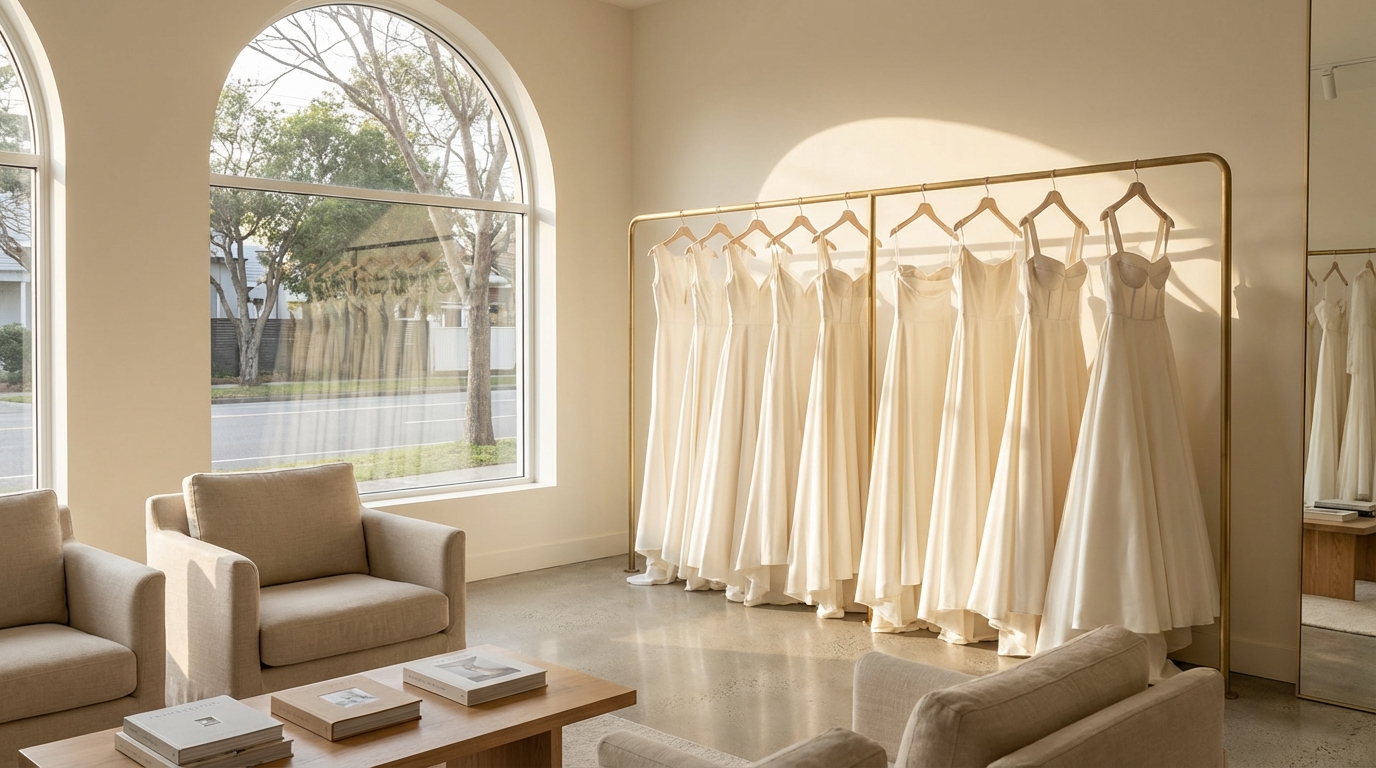
Full Ivory Wedding Dresses: Why Bridal Shop Owners Ask for Cleaner, More Consistent Color Stories
I remember visiting a boutique in Chicago a few years back. The owner, a sharp woman named Sarah, took me to her main rack. She looked frustrated. "Look at this," she said, pointing to three different 'Ivory' gowns from three different suppliers. One looked like a stick of butter, the second had a weird pinkish undertone, and the third was so cool it almost looked blue next to the others.
To a bride, that's confusing. To a shop owner, it’s a visual nightmare that makes the whole inventory look disorganized.
At Huasha Bridal, we’ve spent 18 years in the heart of Suzhou’s bridal district, and if there’s one thing I’ve learned, it’s that color consistency is the silent closer of a sale. Today, I want to talk about why "Full Ivory" is making a massive comeback and how we, as your manufacturing partner, make sure that 'Ivory' actually means 'Ivory' every single time.
The Visual Power of a "Clean" Bridal Rack
There’s a shift happening. After years of heavy nude linings, champagne undertones, and 'mocha' layers, the market is swinging back toward Modern Classicism. Think 'Quiet Luxury.' Brides are asking for that crisp, clean, timeless look.
When a bride walks into your shop, she is looking for a feeling. A rack of consistent, full ivory gowns creates an immediate sense of calm and high-end luxury. It reduces what I call "visual clutter." When the colors match, the bride can focus on the silhouette, the lace, and how she feels in the dress, rather than wondering why the lining of one dress looks 'dirty' compared to the one next to it.
The "Shade Surprise": Why Ivory is Hard to Get Right
As a manufacturer, I can tell you: Ivory is the hardest color to master. Why? Because fabrics are like sponges—they soak up dye differently.
- Satin has a high luster and reflects light, often making it look brighter.
- Tulle is sheer; it catches light in its mesh, which can make it look darker or more yellow depending on the density.
- Crepe is matte and absorbs light, often appearing more 'true' but showing every slight variation in the dye lot.
If a factory isn't careful, a dress made of satin with tulle overlays can end up looking like two different colors. That’s the "Shade Surprise" no retailer wants to unbox.
Why Retailers are Moving Away from Nude Linings
Don't get me wrong, nude linings had their moment (and they still do for some boho styles). But for the boutique owner, nude linings are a inventory management headache. A "nude" from one brand is "sand" from another.
Full ivory gowns—where the lining, the lace, and the outer shell are all matched—are safer. They have a higher resale value for sample sales, they are easier to photograph for your Instagram, and they don't go out of style. It’s a risk-management strategy. By sticking to a clean ivory color story, you’re investing in inventory that stays relevant for seasons, not just months.
The Huasha Method: How We Master the Ivory Palette
So, how do we handle this at our Suzhou factory? We don't just 'hope' the fabric matches. We use a structured system developed over nearly two decades.
1. D65 Standard Lighting
Every single roll of fabric that enters our facility is inspected under D65 standard laboratory lighting. This mimics natural daylight. If a lace applique has a 2% shift toward yellow that you can't see under office lights, our QC team will catch it under the D65.
2. Master Swatch Management
We maintain a physical "Master Ivory Swatch" for every fabric type we use. When we start a production run for a white-label partner, the first yard of fabric is compared against that master. If it doesn't match, it doesn't hit the cutting table.
3. Integrated Dye Lots
Whenever possible, we source our linings and main fabrics from the same textile mills simultaneously. This ensures the base yarn and the chemical composition of the dye are as close as humanly possible.
Making Your Shop Look Like a Million Bucks
I always tell our partners: your shop is your gallery. If you were an art curator, you wouldn't hang a neon green painting in the middle of a collection of pastels—unless you were trying to make a statement.
By requesting Full Ivory for your private label or ODM orders, you are curating a professional aesthetic. Your photos will look more cohesive, your brides will feel more confident, and your staff will find it much easier to suggest accessories like veils (because, let’s be honest, matching a veil to a 'champagne-nude-blush' mix is a headache no one needs).
Conclusion: Let’s Build a Reliable Collection Together
At the end of the day, you need a partner who understands that a wedding dress is more than just a garment—it’s a business asset. At Huasha Bridal, we take the complexity of Chinese manufacturing and turn it into a clear, reliable solution for you.
If you're tired of "shade surprises" and want to see what a truly consistent ivory collection looks like, I'd love to show you. We can jump on a WhatsApp video call, and I’ll take you through our current production line. You can see the fabrics under our QC lights for yourself.
Ready to clean up your racks? Let’s talk about your next consistent color story.